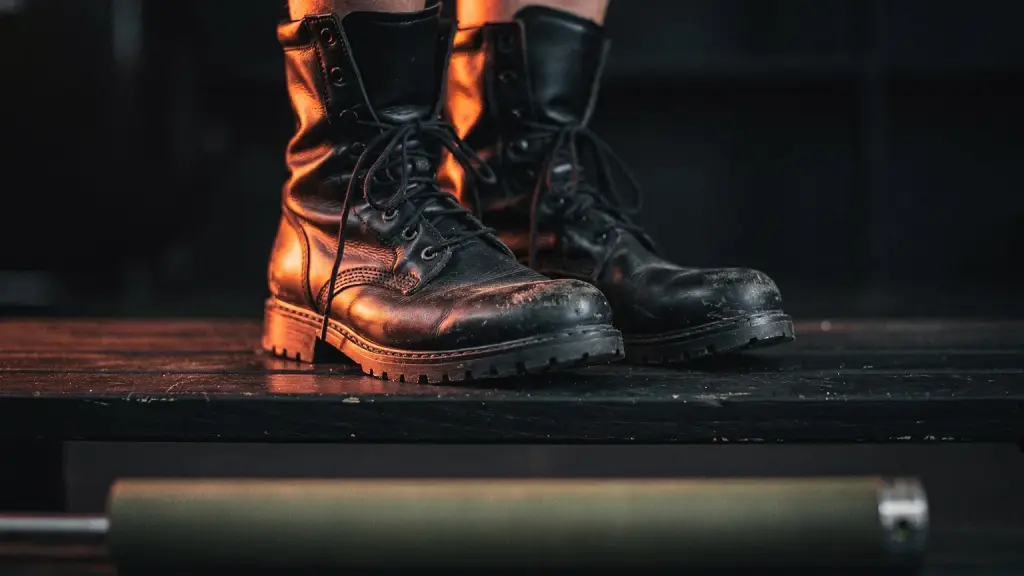

Yes, military calisthenics can help you lose belly fat, but not by working your abs. It burns fat all over your body, and exercise is especially good at shrinking the deep visceral fat around your organs. Food decides how fast the rest goes.
If you’ve been doing crunches every night and your belly hasn’t moved, this is why.
Can ab exercises burn belly fat?
No. In a six-week trial, sedentary adults did seven ab exercises five days a week. Their ab endurance improved, but belly fat and body fat didn’t change compared with people who did nothing extra.(1)
Another study trained only one leg for 12 weeks. Fat did come off, but mostly from the upper body and trunk, not the trained leg.(2) Your body decides where fat leaves from, and it rarely asks the muscle you’re working.
That doesn’t make core work useless. Planks and leg raises build the muscle that shows once the fat is gone. They just don’t remove the fat.
Which belly fat should you care about?
There are two kinds. Subcutaneous fat sits under the skin; it’s the part you can pinch. Visceral fat sits deeper, packed around your liver and gut, and it’s the one linked to diabetes and heart disease.
A large belly that feels firm, not soft, usually carries a lot of visceral fat. The good news: it’s the kind exercise is best at removing.
A meta-analysis of 117 studies found exercise and dieting both cut visceral fat. Even when people’s weight didn’t change, exercise still reduced visceral fat by about 6%, while diet without weight loss barely moved it.(3)
Does military calisthenics burn visceral fat?
Partly, and it depends on the day. A meta-analysis of 35 trials found that cardio-type exercise clearly reduced visceral fat, while strength training on its own did not.(4)
Military calisthenics is a mix of both. Strength days, built on push-ups, planks and back work, protect your muscle while you lose weight. The conditioning days do more of the visceral-fat work.
High-intensity interval training, the style used on burpee and mountain-climber days, reduced total, belly and visceral fat in a meta-analysis of 39 studies.(5) Burpees and jump squats in short rounds are exactly that kind of work.
| Day type | Example moves | Job for your belly |
|---|---|---|
| HIIT | Burpees, climbers | Burns visceral fat |
| Legs | Squats, lunges | Biggest muscles, most energy |
| Push and core | Push-ups, planks | Keeps muscle in a deficit |
| Endurance | Mixed circuit | Volume and habit |
The full week-by-week structure is in the 28-day military calisthenics workout plan.
How much belly fat can 28 days of training burn?
Less than the ads suggest. In the Military Calisthenics Men – MLT program, the app estimates each session burns 44 to 151 calories for a 75 kg (165 lb) person. Across all 28 days that adds up to about 2,500 calories.
At roughly 7,700 calories per kilogram of body fat, that’s about 0.3 kg (0.7 lb) of fat from the sessions alone, if you ate exactly the same. The real changes come from what the training does next.
You keep your muscle while eating less, your daily habit gets stronger, and your visceral fat drops faster than your weight. Our calorie breakdown by week has a calculator for your own weight.
How do you know your belly fat is going down?
Use a tape measure. Your waist-to-height ratio is a better guide to health risk than BMI or waist size alone.(6) The rule is simple: keep your waist under half your height.(7)
The US Army now uses the same measure with a stricter cut-off of 0.55. Serving or enlisting? See the Army waist-to-height standard.
To measure, find the bottom of your ribs and the top of your hips. Wrap the tape midway between them, just above your belly button, and breathe out normally before you read it.(8)
Measure once a week, same day, same time, before breakfast. Waist changes are slow, so look at the trend over four weeks, not day to day.
What else shrinks your belly?
Training is one part. Four habits do the rest:
- Eat a little less. A 300 to 500 calorie daily deficit is enough. Hard crash diets cost muscle.
- Walk every day. More daily steps are linked to lower risk of death, up to a plateau.(9)
- Get seven or more hours of sleep. That’s the adult minimum sleep experts recommend.(10)
- Eat protein at every meal so the weight you lose is fat, not muscle.
Our guide to eating for calisthenics keeps the food side simple, with no meal plans to follow.

What doesn’t work?
Skip these, however good the ads look:
- Crunch marathons: stronger abs, same belly
- Sweat belts and waist trainers: the water you sweat out comes back when you drink
- Fat-burner pills: none replace a calorie deficit
- Training harder to “earn” junk food: most sessions burn under 150 calories
How long until your belly looks different?
Expect your waist to change before the mirror does. Most people who train six days a week and eat in a small deficit see their tape measure move within four to six weeks.
Visible change usually takes 8 to 12 weeks. Lower belly fat is often the last to go, so keep measuring even when the mirror seems slow.
Our hub on military calisthenics for weight loss covers the full plan, including how fast weight comes off.

Burn belly fat without guessing. Military Calisthenics Men – MLT puts the whole 28-day program on your iPhone, with every session led on video by a real calisthenics instructor. No gym, no equipment, 10–21 minutes a day.
Try 3 days freeThen $29.99 a year. Cancel anytime.
 For women: Military Calisthenics Women – HQ→
Frequently asked questions
Can military calisthenics get rid of belly fat?
Yes, as part of total fat loss. It can’t spot-reduce your belly, but its conditioning days reduce visceral fat, its strength days protect muscle, and with a small calorie deficit your waist shrinks over 8 to 12 weeks.
Do planks burn belly fat?
Not directly. Planks strengthen your core and improve posture, but they burn few calories and don’t remove fat from your stomach. They help your midsection look tighter once overall fat comes down.
What’s the fastest way to lose visceral fat?
Regular cardio-style exercise plus a modest calorie deficit. Studies show exercise reduces visceral fat even when your weight barely changes. Short, intense circuits such as burpees and mountain climbers count.
Why is lower belly fat the last to go?
Your body tends to lose fat from some areas before others, and for many people the lower belly is late in the queue. Keep going. Consistent training and a steady deficit eventually reach it.
Is a big belly dangerous?
It can be. A waist bigger than half your height is linked to higher risk of type 2 diabetes, high blood pressure and heart disease. Measure yours, and see a doctor if it’s well over.
Sources
- Vispute SS, et al. (2011). The effect of abdominal exercise on abdominal fat. J Strength Cond Res.
- Ramírez-Campillo R, et al. (2013). Regional fat changes induced by localized muscle endurance resistance training. J Strength Cond Res.
- Verheggen RJ, et al. (2016). A systematic review and meta-analysis on the effects of exercise training versus hypocaloric diet: distinct effects on body weight and visceral adipose tissue. Obes Rev.
- Ismail I, et al. (2012). A systematic review and meta-analysis of the effect of aerobic vs. resistance exercise training on visceral fat. Obes Rev.
- Maillard F, Pereira B, Boisseau N. (2018). Effect of high-intensity interval training on total, abdominal and visceral fat mass: a meta-analysis. Sports Med.
- Ashwell M, Gunn P, Gibson S. (2012). Waist-to-height ratio is a better screening tool than waist circumference and BMI for adult cardiometabolic risk factors: systematic review and meta-analysis. Obes Rev.
- Browning LM, Hsieh SD, Ashwell M. (2010). A systematic review of waist-to-height ratio as a screening tool for the prediction of cardiovascular disease and diabetes: 0.5 could be a suitable global boundary value. Nutr Res Rev.
- National Institute for Health and Care Excellence. (2025). Overweight and obesity management (NG246): identifying and assessing central adiposity. NICE guideline.
- Paluch AE, et al. (2022). Daily steps and all-cause mortality: a meta-analysis of 15 international cohorts. Lancet Public Health.
- Watson NF, et al. (2015). Recommended amount of sleep for a healthy adult: a joint consensus statement of the AASM and SRS. Sleep.